If you’re searching for Best Racing saddles and your target is a 550 gram limit, you’re likely trying to balance three things that often fight each other: low weight, race-ready support, and real-world comfort. While many high-end racing saddles can be far lighter than 500 grams, setting a 550 gram benchmark is actually practical for riders who want durability, affordability, and comfort without ending up with a harsh, ultra-minimal perch.
This guide breaks down exactly what to look for in the Best Racing saddles under 500 grams, how to match a saddle to your body and riding style, and what features actually matter when you’re chasing performance.
Why “550 gram” Matters in Racing Saddles
A saddle is one of the most personal contact points on a bike. In racing, it affects:
- Power transfer (how stable you feel when pushing hard)
- Pelvic support (how well your hips stay neutral and efficient)
- Comfort under load (whether you can stay aero and aggressive longer)
- Control (how secure you feel when cornering or sprinting)
A 550 gram saddle isn’t necessarily “heavy”—it often means it includes:
- More robust shell construction
- Slightly thicker padding (helpful for longer races, rough roads, or beginners)
- Durable cover materials
- Steel or chromoly rails instead of carbon/titanium
What Makes the Best Racing Saddles (Under 550 Gram)?
1) The Right Width (Most Important)
Saddle width should match your sit bone width—not your body size. A saddle that’s too narrow causes pressure; too wide causes thigh rub and chafing.
Rule of thumb (general starting points):
- Many racers fall into 130–145 mm, but that’s not universal.
- If you can, measure sit bones at a bike shop or using a simple cardboard test.
If you get only one thing right, make it width—it’s the foundation of comfort and speed.
2) Shape: Flat vs. Curved vs. Semi-Profile
For Best Racing saddles, shape determines how stable you feel during high effort:
- Flat saddles: good for riders who move around a lot (climbing, sprinting, shifting position).
- Curved saddles: lock you in place; great for steady power and riders who like a “pocket.”
- Semi-curved (most popular): balanced—stable but not restrictive.
If you race crits or do lots of accelerations, a slightly flatter profile often feels more “free.” If you do time trials or long steady efforts, a slightly more curved shape can feel more supportive.
3) Cutout or No Cutout?
Many modern Best Racing saddles include a center cutout or pressure-relief channel to reduce perineal pressure—especially helpful in aggressive positions.
- Cutout: often better for aero positions, sensitive soft tissue, or longer races.
- No cutout/channel: can feel more supportive for some riders and reduces edge pressure if the cutout shape doesn’t match your anatomy.
There’s no universal winner here; it’s anatomy + riding position.
4) Padding: Less Isn’t Always Faster
Racing saddles typically use firm padding, because too-soft padding can compress and create pressure points. A 550 gram racing saddle may include a touch more padding, which can be beneficial if:
- You race on rough roads
- You’re still adapting to aggressive positioning
- You prefer endurance-racing comfort without switching to a full “comfort saddle”
Look for firm, supportive foam, not thick plush foam.
5) Rail Material (Weight, Feel, and Compatibility)
Rails strongly influence weight and comfort (through vibration damping):
- Steel/chromoly rails: common in under-500-gram setups; durable, cost-effective, slightly heavier.
- Titanium rails: lighter and more compliant; usually higher cost.
- Carbon rails: lightest; can be expensive and sometimes require specific seatpost clamps.
If you’re aiming for Best Racing saddles under 550 grams, steel/chromoly is perfectly fine—especially if your priority is performance per dollar.
6) Shell Stiffness (Power vs. Comfort)
A stiffer shell can feel faster because it supports the pelvis firmly during hard efforts. But too stiff can feel harsh over long rides.
A good racing saddle has:
- Supportive rear platform (where sit bones rest)
- Slight flex in the nose/center (for comfort in aero positions)
How to Choose the Best Racing Saddles Under 550 Gram for Your Riding Style
If you’re a sprinter / crit racer
Prioritize:
- Stable shape (often semi-flat)
- Grippy cover (helps you stay planted)
- Durable rails (crashes happen)
A slightly shorter nose can help with aggressive forward rotation and quick position changes.
If you’re a climber / punchy rider
Prioritize:
- Freedom to shift forward/back
- Lightweight (your 550 gram limit is fine)
- Minimal thigh rub
A flatter saddle often suits frequent position changes on climbs.
If you’re an endurance racer
Prioritize:
- Pressure relief (cutout/channel)
- Slightly more padding (a 550 gram racing saddle can shine here)
- Vibration damping (titanium rails if budget allows)
Endurance performance is comfort performance.
Color Options (Black, Blue, Green, Red) to Add in the Blog — Best Racing Saddles (Under 550 Gram)
1) Black Racing Saddle
- Most versatile choice: matches almost any bike frame and riding kit.
- Low maintenance: dust, mud, and scuff marks are less visible.
- Classic “pro” look: clean, stealthy, and always in style.
- Best for riders who want a simple, race-ready look with minimal upkeep.
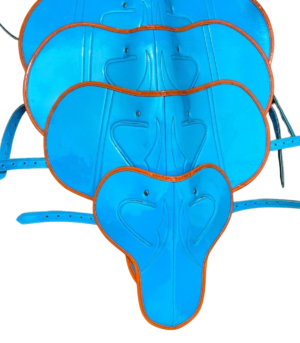
2) Blue Racing Saddle
- Sporty and premium appearance, especially with blue accents on the bike (decals, bar tape, cages).
- Stands out moderately: more personality than black, but still subtle.
- Dark blue shades (navy/royal) usually look more refined than very light blues.
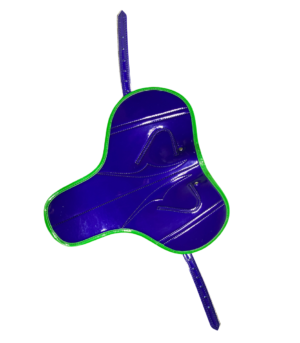
3) Green Racing Saddle
- Unique and eye-catching: great for custom builds and riders who want something different.
- Works best when you match it with small green details (bar tape, logos, accessories).
- Note: brighter greens can show dirt and wear faster, so you may clean it more often.
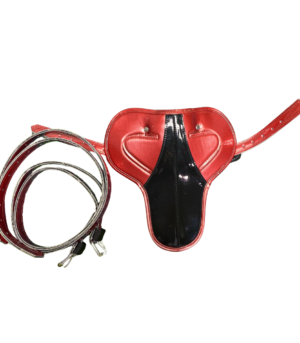
4) Red Racing Saddle
- Bold racing style: gives an aggressive, fast-looking finish to the bike.
- High-impact accent color: pairs well with black bikes or red details.
- Note: some red materials can fade over time in strong sunlight—UV-resistant covers are a plus.
Setup Tips: Make a 550 Gram Racing Saddle Feel Faster
Even the Best Racing saddles will feel wrong if setup is off. Before you blame the saddle, check these:
1) Saddle height
Too high = hip rocking and saddle sores
Too low = knee overload and reduced power
2) Saddle tilt
Start near level. Then adjust in tiny increments:
- Nose down too much → sliding forward, arm/hand pressure
- Nose up too much → soft tissue pressure and restricted pedaling
Many racers end up with 0 to -2 degrees nose-down, but don’t guess—test.
3) Fore-aft position
Too far forward can increase pressure; too far back can reduce power in aero positions. Dial it based on comfort and sustainable power—not just rules.
4) Shorts matter
A high-quality chamois can make a bigger difference than dropping 50–100 grams from a saddle. If you want race comfort, don’t ignore the kit.
Quick Checklist: Best Racing Saddles Under 550 Grams
When shopping, look for:
- ✅ Correct width (matches sit bones)
- ✅ Shape that matches your riding style (flat/curved/semi)
- ✅ Pressure relief that suits you (cutout or channel)
- ✅ Firm, supportive padding (not overly soft)
- ✅ Rail material compatible with your seatpost
- ✅ Durable cover with enough grip for sprinting
- ✅ Weight listed clearly (confirm it’s under 550 gram)
FAQ: Best Racing Saddles + 550 Gram
Is 550 gram too heavy for a racing saddle?
Not necessarily. Many dedicated race saddles are lighter, but 550 gram can still deliver excellent racing performance—especially if it improves comfort and durability, letting you ride harder for longer.
Should I choose a cutout for racing?
If you ride aggressively (drops/aero) or experience numbness, a cutout often helps. But some riders prefer a solid top with a pressure-relief channel instead.
How long does it take to adapt to a racing saddle?
Usually 2–4 weeks of consistent riding. If you have sharp pain, numbness, or persistent sores beyond that, you likely need a different width/shape or a fit adjustment.