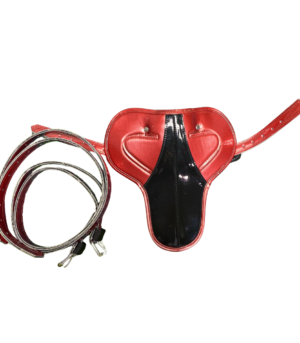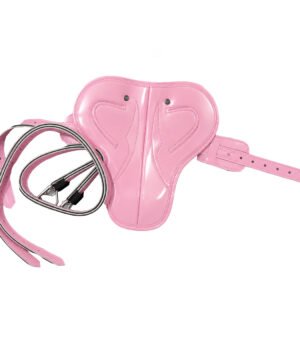
If you’re searching for a 1kg racing saddle, you’re likely not building a featherweight road-race bike. Instead, you’re looking for a racing-style bicycle seat that feels stable at speed, but delivers the kind of comfort bike seat support that helps on long, rough, everyday rides.
In the search market, many products use “racing” to describe a sporty shape and look—even when the saddle is designed for maximum comfort, extra padding, shock absorption, and heavy-duty durability. That’s exactly where a 1kg racing saddle fits: it’s often closer to the most comfortable bicycle seat for long rides than to an ultralight competition saddle.
This professional guide explains what a 1kg racing saddle really is, the features that matter, and how to choose the best bike saddle for long rides, commuting, and e-bikes—without wasting money on the wrong fit.
What Is a 1kg Racing Saddle?
A 1kg racing saddle is typically a heavy-duty bike seat that becomes heavier because it includes comfort and strength components such as:
- Wide bicycle seat base (more support area)
- Gel bike seat + foam layers (multi-layer padding)
- Shock absorbing bike seat design (springs or elastomer)
- Steel rails (strong, durable, common on comfort saddles)
- Reinforced shell + side bumpers (better wear resistance)
So, while the weight is high, it often equals more comfort features and more durability—especially for daily use.
That’s why you’ll often see these saddles used for:
- commuter bike seat upgrades
- best e-bike seat for comfort searches
- city riding on potholes and broken roads
- fitness riders who want a “racing” look but need extra cushioning
Who Should Buy the Best 1kg Racing Saddle?
A 1kg racing saddle is usually best for comfort-focused riders, including:
Best for:
- Bike seat for long rides (especially upright or semi-upright riding)
- E-bike saddle users (more seated time, higher average speed)
- Commuting bike seat needs (daily rough road vibration)
- Bike seat for heavy riders (strong rails + wide support, depending on model)
- Riders searching for extra wide bicycle seat or wide gel bike seat
- People who want a soft bike seat but still need structure and support
Key Features to Look for (High-Search “Buying Factors” That Actually Matter)
1) Width: Wide Bike Seat vs Narrow Racing Seat
Width should match your posture:
- Upright posture (city bikes, cruisers, many e-bikes) → usually needs a wide bike saddle
- Leaning forward posture (road bikes) → usually needs a narrower saddle
If you’re specifically shopping a 1kg racing saddle, choose one that is wide at the rear for sit bones but not excessively wide at the nose—this helps reduce inner-thigh rubbing.
Search terms this matches naturally:
“wide bike seat for men”, “wide bike seat for women”, “comfortable bike seat for commuting”.
2) Padding Construction: Gel vs Foam (Best Comfort Combination)
Many riders search for a gel bicycle seat because gel feels immediately soft. The best comfort saddles often use:
- High-density foam base (prevents sinking and pressure points)
- Gel top layer (reduces vibration and road buzz)
Avoid saddles that feel like a sofa. Overly soft saddles can compress and create discomfort on longer rides.
Popular matching keywords:
“gel bike seat”, “comfortable bicycle seat”, “best bike seat cushion for long rides”.
3) Shock Absorption: Springs or Elastomer
A big reason some saddles reach 1kg is added suspension.
- Bike seat with springs: excellent on bumps, great for city potholes
- Elastomer shock absorber: often feels more controlled at speed (good for e-bikes)
If your main use is commuting, a shock absorbing bike seat can reduce fatigue significantly.
Matching keywords:
“bike seat with springs”, “shock absorbing bicycle seat”, “bike saddle for bumpy roads”.
4) Pressure Relief (Anti-Numbness Design)
If you search phrases like “bike seat numbness” or “anti numbness bicycle seat”, focus on these features:
- Center relief channel (groove)
- Cutout saddle (hole) for pressure reduction
- Ergonomic shaping that supports sit bones, not soft tissue
A pressure relief channel is often enough for many riders and keeps the saddle feeling stable.
Matching keywords:
“anti numbness bike seat”, “bike saddle with cutout”, “pressure relief bicycle seat”.
5) Rail Strength and Compatibility
Most 1kg comfort-racing saddles use steel rails, which are:
- very durable,
- widely compatible with standard seatposts,
- ideal for daily commuting wear.
Before buying, confirm your seatpost clamp supports round rails and that the saddle has enough rail length for fore-aft adjustment.
Matching keywords:
“durable bike seat”, “heavy duty bicycle saddle”.
6) Cover Quality: Water Resistance + Wear Resistance
For commuters and e-bike riders, saddle cover quality matters as much as padding.
Look for:
- water-resistant top layer (or rain cover)
- strong stitching or bonded seams
- abrasion-resistant sides (less tearing from frequent mounting)
Matching keywords:
“waterproof bike seat”, “bike seat for daily use”, “best commuter bike seat”.
Best Use Cases for a 1kg Racing Saddle (Keyword-Rich Fit)
1) Best 1kg Racing Saddle for E-Bike Comfort
E-bikes keep you seated longer and often ride over mixed surfaces. A 1kg comfort-racing saddle can help reduce:
- vibration fatigue,
- sit-bone soreness,
- pressure discomfort.
2) Best Bike Saddle for Commuting and City Riding
If you ride on potholes, speed breakers, and uneven roads, a wide gel bicycle seat with springs can feel like a major upgrade.
3) Best Bike Seat for Long Rides (Upright Position)
For riders doing 60–120 minutes or more in a mostly upright posture, the added padding and pressure distribution can be beneficial—if the saddle shape fits your sit bones.
How to Set Up a 1kg Racing Saddle for Maximum Comfort (Professional Fit Tips)
Even the most comfortable bicycle seat can feel wrong with poor setup.
- Start level (0° tilt)
Use a phone level app. Level is the best baseline. - Adjust tilt in tiny steps
- soft tissue pressure → nose down by 0.5–1°
- sliding forward → nose up slightly (avoid extreme nose-up)
- Check saddle height
Too high causes hip rocking and friction. Too low can reduce pedaling efficiency. - Match saddle type to handlebar height
A wide comfort-racing saddle works best when bars are not extremely low. If you want a very aggressive position, you may need a narrower saddle.
Conclusion: Is a 1kg Racing Saddle Worth It?
A 1kg racing saddle is best viewed as a racing-style comfort bike seat—made for stability, durability, and long-ride comfort rather than lightweight racing performance. If your goal is the best bike saddle for commuting, best e-bike seat, or a comfortable bike seat for long rides, this category can be a practical upgrade—provided you choose the right width, pressure relief, and shock absorption design.
FAQ,s:-
1) What is a 1kg racing saddle?
A 1kg racing saddle is a heavy-duty, racing-style comfort saddle that weighs around 1 kilogram due to extra features like wide support, gel/foam padding, steel rails, and sometimes springs or elastomer suspension.
2) Is a 1kg racing saddle good for long rides?
Yes—if you ride in a more upright or semi-upright position. A 1kg saddle often provides better pressure distribution and shock absorption, making it suitable for long rides and commuting.
3) Is a 1kg racing saddle good for real road racing?
Usually no. Competitive road racing typically uses lighter and narrower saddles (150–300g). A 1kg saddle is better for comfort-performance, not for weight-sensitive racing builds.
4) Who should buy a 1kg racing saddle?
It’s ideal for:
- commuters
- e-bike riders
- riders wanting a wide gel bike seat
- riders needing extra support and durability
- some heavy riders (depending on rail rating and seatpost strength)
5) Is a 1kg racing saddle good for heavy riders?
Often yes, because it usually has strong steel rails and a reinforced shell. Still, always check:
- saddle’s weight rating (if provided)
- seatpost rating
- rail quality and clamp compatibility