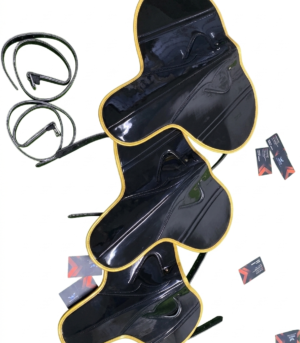
If you are building a fast, clean road bike setup, every gram counts—but only if performance doesn’t suffer. That’s where finding the Best racing saddle under 300 grams becomes a smart move. You get a lightweight component that still offers real-world support, durability, and comfort for training and race day alike. In this guide, we break down everything you need to know about selecting the Best racing saddle under 300 grams, including shape, fit, setup, and the color options—black, blue, green, and red—that can match your build.
Why the Best Racing Saddle Under 300 Grams Matters
Weight is not everything, but it is important. A 300 gram saddle sits in a practical sweet spot: noticeably lighter than stock saddles (which often weigh 350–450 grams), yet generally built with stronger materials, better rails, and more refined padding than ultra-minimal race seats that drop below 200 grams. When you are searching for the Best racing saddle under 300 gram, you are essentially looking for a saddle that helps you feel faster without making every ride feel like a punishment.
Many riders assume race-day comfort requires the absolute lightest part possible. In reality, the Best racing saddle under 300 gram often delivers more real-world speed because it stays comfortable enough to hold an aggressive position for hours. If you can stay aero longer, you ride faster. That is the real performance win.
What Makes a True “Best Racing Saddle Under 300 Gram”?
Not every saddle under 300 grams is race-ready. To earn the title of Best racing saddle under 300 gram, a saddle needs to balance several factors:
1) Correct Saddle Width
This is always the first rule. Sit bones determine width, not your body size. Most racers fall between 130 mm and 145 mm, though some need 150 mm for comfort. The Best racing saddle under 300 gram must come in your correct width; otherwise, no amount of weight savings will help.
2) Shape for Race Positioning
Race saddles usually come in three profiles:
- Flat: Ideal if you shift positions often—climbing out of the saddle, sprinting, or attacking.
- Curved/Seat-pocket: Good for steady, high-power efforts where you want to stay locked in.
- Semi-curved: The most versatile, offering some stability with room to move.
If you want the Best racing saddle under 300 gram, choose the shape that matches your riding style, not just the lightest option online.
3) Cutout or Relief Channel
A race saddle under 300 grams can either include a pressure-relief cutout or a channel design. If you ride in a low, aggressive position, a cutout often reduces soft tissue pressure. For some riders, a solid top with a relief channel feels more supportive. The Best racing saddle under 300 gram for you will depend on anatomy, not marketing.
4) Rail Material
The rail choice affects both weight and feel:
- Steel / Chromoly: Durable and affordable, common in this weight class.
- Titanium: Lighter and more compliant, often used in premium models.
- Carbon: Lightest but requires proper seatpost clamp compatibility.
The Best racing saddle under 300 gram usually offers at least titanium or high-quality steel rails to keep the weight low without making the saddle feel harsh.
5) Firm, Supportive Padding
Race saddles should not feel like sofas. Too much soft padding can cause chafing and pressure points over long distances. The Best racing saddle under 300 gram typically uses firm foam, sometimes with thin padded cover sections only where needed. The result is support without excess.
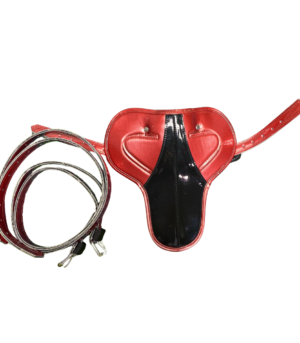
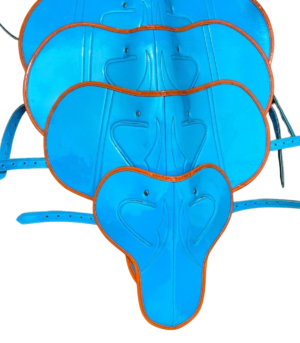
Color Options: Black, Blue, Green, Red
A saddle is a visual part of your bike. When you choose the Best racing saddle under 300 gram, consider how the color integrates with your build.
- Black: The classic race choice. It hides dirt, matches any frame, and looks clean on black, white, or custom-painted bikes. If you want maintenance easier and the most professional look, black is usually the smartest pick.
- Blue: Adds a sporty, premium feeling without being loud. It pairs well with blue decals, bar tape, or bottle cages. Navy and royal blues tend to look more refined than bright sky blue.
- Green: Unique and modern. Matte olive or deep green looks sharp on neutral or earth-tone builds. It makes your bike stand out without being overly flashy.
- Red: Bold, aggressive, and very “race-day.” Red saddles add energy to the bike and match well with red accents. However, red covers can show wear slightly more over time, so pick a quality cover material.
If you want the Best racing saddle under 300 gram that also looks right, match the saddle color to your bar tape or one small accent part of the bike. You do not need the entire bike to match—just a deliberate touch.
Who Should Buy the Best Racing Saddle Under 300 Gram?
This weight class is perfect for:
- Road racers and club riders: You want lighter gear without losing comfort.
- Riders upgrading from stock saddles: Stock saddles are usually heavy and poorly contoured for race positions. Moving to a 300-gram model is often one of the best value-upgrades you can make.
- Endurance racers: Long rides demand comfort plus efficiency.
- Gravel riders (selective): If the saddle has enough support and a slightly wider profile is available, a lighter saddle works well for fast gravel riding.
The key is to understand that the Best racing saddle under 300 gram is not always for elite professionals only. It is for anyone who wants to ride faster, cleaner, and more comfortably.
Setup Tips: Make Your Saddle Feel Fast, Not Painful
Even the Best racing saddle under 300 gram can feel wrong if setup is poor.
Step 1: Check Level
Start with the saddle level (0 degrees). Use a simple level or a phone app. Too much nose-down causes sliding; too much nose-up increases soft tissue pressure.
Step 2: Small Adjustments
Make changes in 0.5–1 degree increments. Give each change at least two rides to judge.
Step 3: Fore-Aft Position
Adjust so your knee is over the pedal spindle when at 3 o’clock, but also consider comfort in your hands and lower back. The Best racing saddle under 300 gram should allow you to sit naturally in your race position.
Step 4: Saddle Height
Too high causes hip rocking and potential saddle sores. Too low reduces power and overloads knees. If you feel numbness or excessive pressure, check height first.
Step 5: Shorts and Training
A good chamois works with the saddle. Even the Best racing saddle under 300 grams performs better with quality cycling shorts.
Maintenance to Keep Your Saddle Performing
- Wipe it after sweaty or wet rides.
- Use mild soap if needed; avoid harsh solvents that crack synthetic covers.
- Check rail bolts periodically but do not over-tighten.
- If you choose a black, blue, green, or red cover, cleaning is usually easy—just avoid abrasive brushes that can wear the color finish.
Frequently Asked Questions
Q: Is the Best racing saddle under 300 gram suitable for beginners?
Yes. Beginners often benefit from the improved shape and lighter weight, but they must prioritize correct width and setup over ultra-minimal design.
Q: Should I always pick a saddle with a cutout?
Not always. Some riders prefer a solid saddle with a relief channel. Try what suits your anatomy and riding position.
Q: How long does it take to adapt?
Allow 1–3 weeks of regular riding. If you have sharp pain or numbness after that, change width, shape, or setup—not just wait longer.
Q: Does color affect weight?
No. Black, blue, green, or red saddles of the same model usually weigh the same. Color is purely aesthetic.