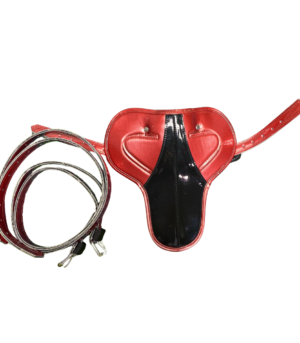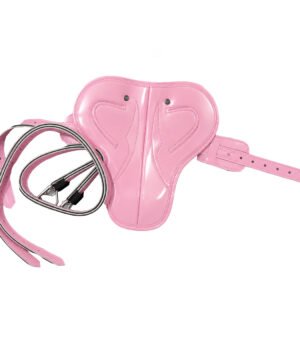
A 2kg saddle sits in a special category of cycling gear: it’s not built around lightweight minimalism, it’s built around maximum support, structure, durability, and comfort features. If your goal is the best racing bike saddle in a 2kg format, you’re usually looking for a racing-style feel (stable pedaling platform, secure posture, firm support zones) with added comfort engineering for longer seated time, rough roads, e-bikes, commuting, or higher rider load.
This blog explains how to choose a high-quality 2kg saddle professionally—what to check, what features actually matter, and how to set it up for real-world performance comfort.
What a 2kg “Racing” Saddle Usually Means
In many markets, “racing saddle” is used to describe a sporty shape and performance-oriented support, even when the saddle is comfort-built. A 2kg saddle commonly reaches that weight due to:
- A wider, reinforced base for better sit-bone support
- Multi-layer padding (high-density foam + gel layer)
- Heavy-duty steel rails and reinforced rail mounting zones
- Protective bumpers and thicker shell materials
- Sometimes springs or elastomer damping for shock absorption
So, a 2kg saddle can still deliver a “race-ready” feeling in the sense that it feels stable, planted, and supportive when you pedal hard—just with much more emphasis on comfort and durability.
Key Features That Define a High-Quality 2kg “Best Racing Bike Saddle”
1) Correct Width and Real Sit-Bone Support
The number one factor is still fit. A saddle that is too narrow concentrates pressure; too wide can cause thigh rubbing.
For a 2kg saddle, look for:
- A wide rear platform (where sit bones actually rest)
- A tapered midsection/nose (helps reduce inner-thigh friction)
- A shape that keeps your pelvis stable, not sliding or rocking
If possible, measure sit-bone width at a bike shop or do a simple at-home sit test. Fit beats padding every time.
2) Padding That Stays Supportive (Not “Sofa Soft”)
Many riders assume thick padding automatically equals comfort. Professional comfort is different: it’s about pressure distribution and consistent support.
A good 2kg saddle typically uses:
- High-density foam base layer (structure; prevents bottoming out)
- Gel or elastomer top layer (reduces vibration and road buzz)
- A cover that doesn’t stretch and wrinkle (wrinkles cause hot spots)
Overly soft padding can compress during longer rides and create pressure points. Supportive padding feels better after 60–90 minutes, not just in the first 5 minutes.
3) Shell Strength and Stability Under Power
A “best racing bike saddle” feel requires stability. Even in a comfort-heavy saddle, the shell should:
- Support the pelvis without twisting side-to-side
- Stay firm at the rear platform
- Be reinforced near the rail mounting area (high stress zone)
If a saddle feels like it “hammocks” or sways under load, it often creates friction and reduces pedaling efficiency.
4) Heavy-Duty Rails and Clamp Compatibility
Most 2kg saddles use steel rails for strength. Before buying, confirm:
- Your seatpost clamp supports standard round rails
- There’s enough rail length for fore-aft adjustment
- The rail-to-shell junction is reinforced and well-finished
- You can tighten the clamp to correct torque (avoid overtightening)
Rails are not only about durability—they also keep your saddle position consistent so comfort doesn’t change ride to ride.
5) Pressure Relief Channel or Cutout (Anti-Numbness Design)
If you’ve ever experienced numbness, look for either:
- A center relief channel, or
- A cutout, with smooth edges and firm perimeter support
In a 2kg saddle, a relief channel often works well because it reduces pressure while keeping a stable surface feel.
6) Shock Absorption (If Included) Must Be Controlled
Some 2kg saddles include springs or dampers. High quality shock management should:
- Reduce sharp bumps
- Avoid excessive bounce
- Keep your hips stable while pedaling
Controlled damping is especially helpful for city riding and e-bikes, where repeated small impacts add up to fatigue.
Buying Checklist for the Best Racing Bike Saddle in 2kg Category
Before you purchase, confirm:
- ✅ Width matches your posture and sit bones
- ✅ Firm supportive rear platform (not overly soft)
- ✅ Multi-layer padding (foam structure + gel comfort)
- ✅ Pressure relief channel/cutout if needed
- ✅ Reinforced shell around rail mounts
- ✅ Steel rails compatible with your seatpost clamp
- ✅ Durable cover material with strong seams
- ✅ If suspension exists, it’s controlled (not bouncy)
- ✅ Warranty/return policy (comfort is personal)
A heavy-duty saddle is designed to last—basic maintenance helps it stay consistent.
FAQ,s:-
1) What is the best racing bike saddle in the 2kg category?
The best racing bike saddle (2kg) is the one that matches your sit-bone width, has a firm supportive base + gel/foam layering, strong steel rails, and a pressure relief channel/cutout (if you get numbness). Fit and support matter more than extra softness.
2) Is a 2kg saddle comfortable for long rides?
Yes, a well-built 2kg saddle can be very comfortable for long rides because it often includes wider support, thicker padding, and sometimes shock absorption—especially for upright or semi-upright riding.
3) Does a 2kg saddle cause thigh rubbing?
It can, mainly if the saddle is too wide at the nose or if you ride in a forward-leaning position. Choose a 2kg saddle with a wide rear platform but a tapered midsection/nose to reduce rubbing.
4) Should I choose a cutout or a relief channel in a 2kg racing saddle?
If you experience numbness or soft-tissue pressure, a relief channel or cutout is recommended. Many riders find a relief channel more stable, while a cutout can provide stronger pressure relief if the shape suits your body.
5) How do I set up the best racing bike saddle (2kg) for maximum comfort?
Start with the saddle level (0°), then adjust tilt in small steps (0.5–1°). Confirm correct saddle height (avoid hip rocking) and fine-tune fore-aft so you feel balanced and not sliding forward.